The Role of Automation in Modern Metal Fabrication
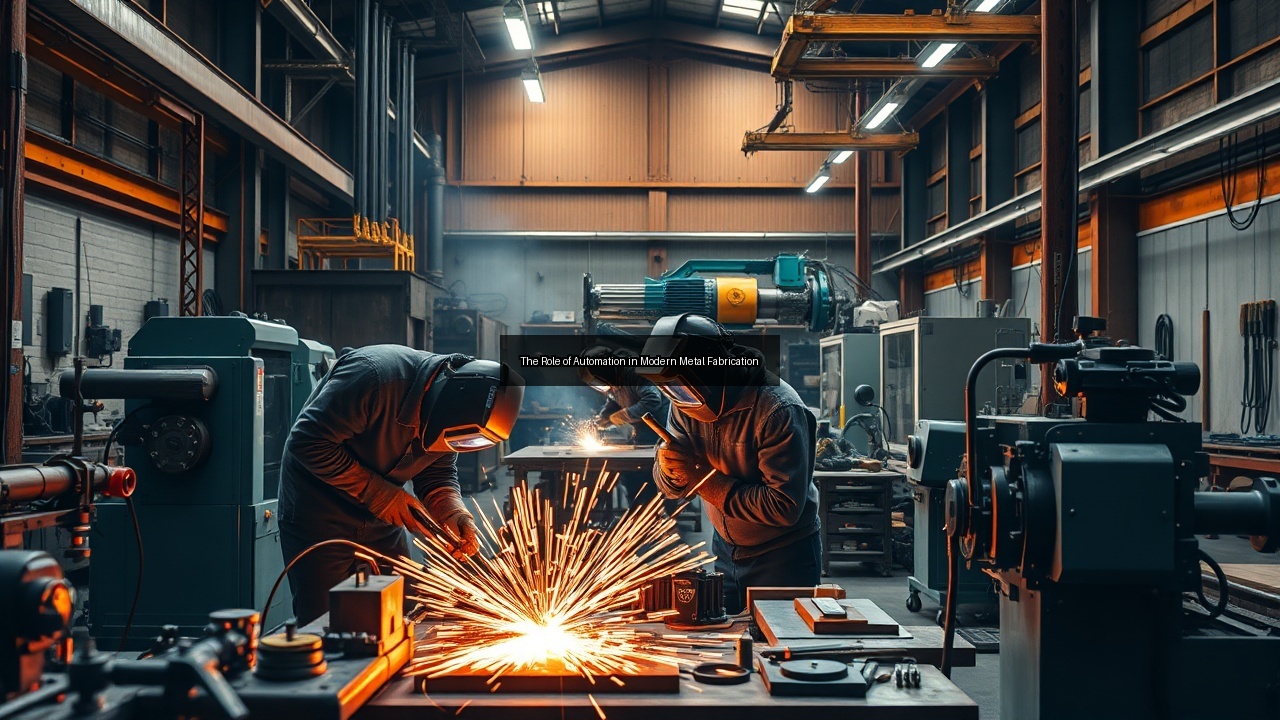
Understanding the Foundations of Modern Metal Fabrication
The Evolution of Metal Fabrication Processes
Metal fabrication has undergone significant transformation over the decades, from rudimentary techniques to advanced technologies that define modern manufacturing. Early methods relied heavily on manual labor and simple hand tools, limiting the scale and complexity of projects. As industries evolved, so did the tools and processes. The introduction of machines revolutionized metal fabrication, enabling more precise and intricate designs. Innovations like CNC machining, robotic welding, and automated plasma cutting have emerged, enhancing efficiency and accuracy while reducing human error. The shift towards automation in the metal fabrication process has paved the way for faster production rates and consistent quality, making it essential for industries like aerospace, automotive, and construction.
Key Technologies in Welding and Fabrication
Several key technologies have emerged as game-changers in the welding and fabrication sectors. MIG (Metal Inert Gas) welding, for instance, has gained popularity for its speed and versatility, particularly for aluminum and thin metals. TIG (Tungsten Inert Gas) welding offers superior control, making it ideal for intricate designs and high-quality finishes. SMAW (Shielded Metal Arc Welding) remains a staple for heavy-duty applications due to its robustness and reliability. Advances in machinery, including laser cutting and water jet cutting, have also played a pivotal role in metal fabrication, enabling the creation of complex shapes and reducing material waste. Integrating these technologies into the fabrication process not only streamlines operations but also ensures adherence to stringent quality control standards.
The Importance of Quality Control in Fabrication
Quality control stands as a cornerstone of efficient metal fabrication. Ensuring that every component meets specified standards directly impacts the performance and safety of the final product. Rigorous inspections throughout the fabrication process prevent defects that could lead to costly reworks or failures in critical applications, particularly in sectors such as aerospace and infrastructure. Implementing ISO 9001 standards further enhances quality assurance, providing a framework for consistent performance and continuous improvement. Employing advanced inspection techniques, such as non-destructive testing, ensures that welds and joints are reliable. Ultimately, a commitment to quality control not only protects the integrity of the product but also enhances customer trust and satisfaction.
The Impact of Automation on Metal Fabrication
How Automated Machines Enhance Workflow Efficiency
Automation in metal fabrication significantly enhances workflow efficiency. Automated machines streamline repetitive tasks, reducing the time required to complete projects. For instance, automated welding machines can perform continuous welds with precision, minimizing human error and maximizing output. This leads to shorter production cycles and the ability to scale operations without sacrificing quality. Furthermore, automation allows for better resource allocation, as skilled welders can focus on more complex tasks that require human expertise. By integrating automated systems into the fabrication process, companies can achieve higher throughput and improve overall productivity while keeping costs in check. The result is a more agile manufacturing environment that can respond quickly to changing market demands.
Comparing Manual vs. Automated Welding Techniques
The debate between manual and automated welding techniques centers on efficiency, precision, and skill. Manual welding offers flexibility and is indispensable for complex, customized projects where human touch is crucial. Skilled welders can adapt to various materials and designs, making manual techniques invaluable for custom welding and fabrication services. In contrast, automated welding techniques excel in speed and consistency. Machines can replicate the same weld quality across multiple pieces, ensuring uniformity in mass production. While automated processes may lack the nuanced touch of a seasoned welder, they significantly reduce labor costs and enhance safety by minimizing worker exposure to hazardous environments. Ultimately, the choice between manual and automated welding depends on project requirements, budget constraints, and desired outcomes.
The Role of Robotics in Metal Fabrication
Robotics play a transformative role in modern metal fabrication. Robotic welders, equipped with advanced sensors and programming, perform tasks with remarkable speed and accuracy. These machines can work tirelessly, executing complex welds that would be labor-intensive for human operators. The integration of robotics not only enhances productivity but also allows for more sophisticated designs, as robots can navigate tighter spaces and intricate geometries. Additionally, robotic systems can easily adapt to different welding techniques, such as GMAW (Gas Metal Arc Welding) and GTAW (Gas Tungsten Arc Welding), offering versatility in metal fabrication processes. As companies increasingly embrace automation, robotics will continue to lead the way in improving efficiency, reducing costs, and enhancing quality in the manufacturing landscape.
Sustainable Practices in Automated Metal Fabrication
Energy Efficiency in Automated Welding
Energy efficiency emerges as a critical focus in automated metal fabrication, driven by both economic and environmental considerations. Automated welding machines utilize advanced technologies that minimize energy consumption while maximizing output. Innovations such as variable frequency drives and energy-efficient power sources contribute to reduced operational costs. By optimizing the welding process, companies can significantly decrease their carbon footprint. Moreover, adopting energy-efficient practices aligns with global sustainability goals, appealing to environmentally conscious consumers. Investing in energy-efficient machinery not only enhances operational efficiency but also positions companies as leaders in sustainable manufacturing, creating a competitive advantage in an increasingly eco-aware marketplace.
Reducing Waste and Improving Materials Usage
Automated metal fabrication significantly reduces waste and improves materials usage. Precision cutting technologies, such as laser and plasma cutting, allow for intricate designs with minimal leftover material. Automation minimizes human error, which often leads to wasted resources in manual processes. Additionally, advanced software for design and simulation enables manufacturers to optimize material layouts, further reducing scrap. Implementing recycling programs within the fabrication process also contributes to sustainability efforts, allowing for the repurposing of scrap metal. This commitment to reducing waste not only conserves resources but also leads to cost savings, bolstering the financial viability of fabrication businesses in a competitive market.
The Future of Sustainable Fabrication Technologies
The future of sustainable fabrication technologies looks promising, driven by innovation and the urgent need for eco-friendly practices. Researchers and engineers are exploring new materials, such as biodegradable composites and recycled metals, that offer both performance and sustainability. Furthermore, advancements in additive manufacturing, or 3D printing, present opportunities to create complex designs while minimizing material use. Integrating renewable energy sources into fabrication processes enhances sustainability by reducing reliance on fossil fuels. As companies strive for greener practices, the development of smarter, more efficient technologies will be key to achieving sustainability goals in metal fabrication. Embracing these innovations positions businesses not only to meet regulatory requirements but also to attract environmentally conscious customers.
Custom Solutions and Services in Welding and Fabrication
Tailoring Fabrication Processes for Aerospace Applications
Aerospace applications demand precision and reliability, making custom welding and fabrication solutions essential. The unique requirements of the aerospace industry necessitate specialized expertise and tailored fabrication processes. Materials like aluminum and titanium, known for their lightweight and strength, often require specific welding techniques, such as TIG welding, to ensure structural integrity. Custom fabrication services can address the stringent standards set forth by regulatory bodies, ensuring compliance with safety and quality requirements. Companies specializing in aerospace fabrication often employ advanced technologies and rigorous quality control measures to deliver components that meet the industry's high standards. Collaborating with experienced fabrication companies ensures that custom solutions are not only functional but also innovative, pushing the boundaries of aerospace engineering.
The Importance of Expertise in Custom Welding Services
Expertise plays a vital role in delivering high-quality custom welding services. Skilled welders bring years of experience and knowledge, enabling them to tackle complex projects with confidence. Their understanding of various welding techniques, such as MIG, TIG, and brazing, allows for the selection of the most appropriate method for each application. Moreover, welders must be proficient in working with different metals and alloys to achieve optimal results. Companies that prioritize hiring and training skilled welders position themselves as leaders in the industry, capable of handling diverse fabrication challenges. Investing in expertise not only enhances the quality of work but also fosters customer trust, establishing long-lasting partnerships that benefit both parties.
Selecting the Right Fabrication Company for Your Needs
Selecting the right fabrication company is crucial for achieving successful outcomes in welding and fabrication projects. Prospective clients should consider several factors, including the company's experience, expertise, and capabilities. A solid reputation within the industry and positive customer reviews are indicators of reliability. Additionally, evaluating the company's adherence to quality control standards, such as ISO 9001 certification, ensures that the fabrication processes meet established benchmarks. Assessing the range of services offered, from custom fabrication to repair and maintenance, can help clients find a company that aligns with their specific needs. Ultimately, a well-chosen fabrication partner can significantly impact project success, ensuring timely delivery and high-quality results.
See Also
- Understanding the Benefits of Brazing in Metal Fabrication
- Exploring the Weight and Cost Benefits of Different Metals in Welding
- The Evolution of Welding Equipment and Its Effect on the Industry
- Enhancing Workflow Efficiency in Metal Fabrication Shops
- Exploring the Benefits of Aluminum in Welding and Fabrication