A Guide to Maintenance for Hub Flanges and Bearings
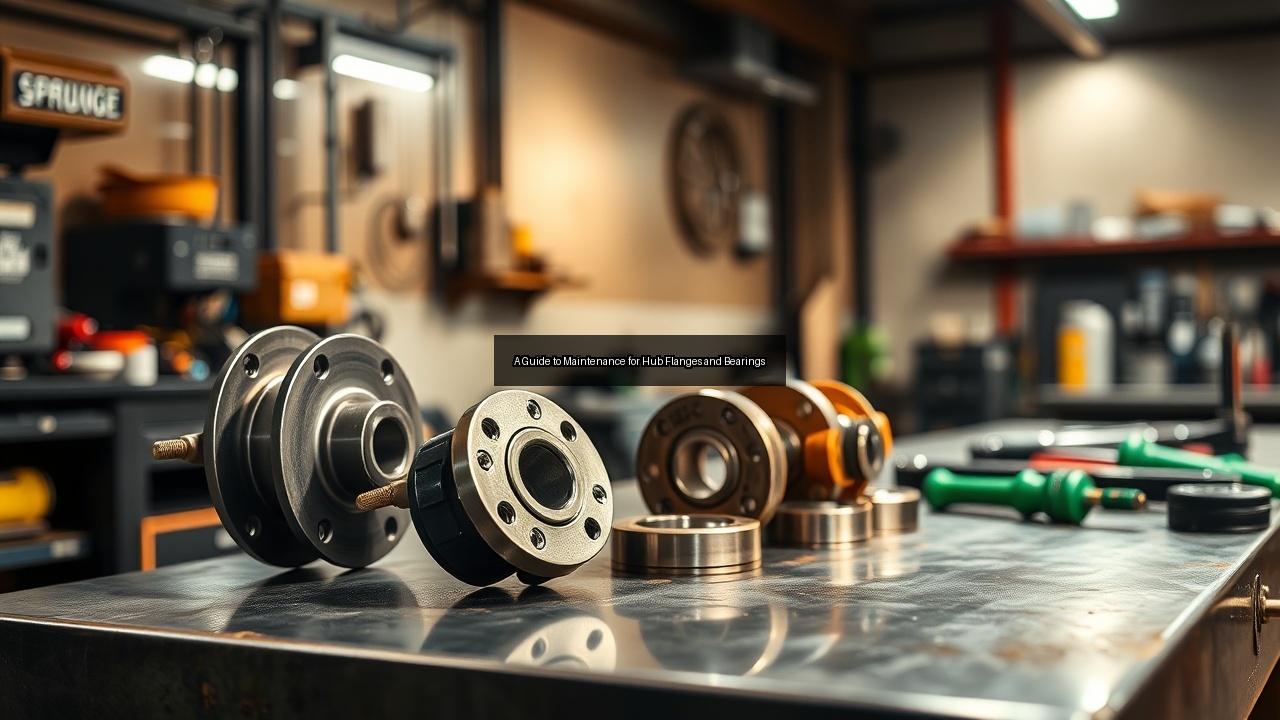
Understanding Hub Flanges and Their Importance
What Are Hub Flanges?
Hub flanges are crucial components that serve as mounting points for various mechanical parts, particularly in wheel assemblies. They connect the wheel to the axle and provide structural integrity to the entire assembly. Typically, a hub flange consists of a flat, round disc with holes around its circumference for securing it to the wheel or other components using bolts or screws. The design and material of the hub flange can significantly affect the performance and longevity of the wheel assembly. Properly designed flanges enhance stability, reduce vibration, and ensure that the load is evenly distributed across the wheel. Various applications, from bicycles to heavy machinery, rely on robust hub flanges to maintain operational efficiency.
The Role of Hub Flanges in Bearings
Hub flanges play a vital role in the function of bearings, specifically flange ball bearings. These bearings are mounted directly to the hub flange, allowing them to support radial and axial loads effectively. The alignment of the flange ensures that the bearing operates smoothly, minimizing friction and wear. When the hub flange is properly designed and maintained, it contributes to the overall performance of the bearing system. This synergy between the hub flange and bearings is essential in applications like bicycles, where performance can directly impact speed and handling. A well-maintained hub flange and bearing system ensures a safer, more efficient ride.
Types of Hub Flanges
Various types of hub flanges exist, each tailored to specific applications. Standard hub flanges are commonly found in bicycles and light vehicles, providing a balance of strength and weight. Flanged hubs are designed to accommodate larger bearings, ideal for heavier loads, such as in industrial machinery. Additionally, some hub flanges come with integrated features, such as built-in bushings or set screws, which enhance their functionality and ease of installation. Understanding the different types of hub flanges helps in selecting the right component for your specific needs, ensuring optimal performance and longevity.
Maintenance Best Practices for Hub Flanges
Regular Inspection of Flanges and Bearings
Regular inspections play a crucial role in the maintenance of hub flanges and bearings. Scheduling routine checks allows early identification of issues that could lead to significant failures. During inspections, look for signs of wear, corrosion, or damage on both the flanges and the bearings. Ensure that the set screws are tight and properly secured; loose screws can lead to flange misalignment, increasing wear on the bearings. Checking the condition of the bushings is also essential, as worn bushings can affect the performance of the entire assembly. Keeping a maintenance log can be beneficial for tracking the condition over time, allowing for proactive measures before problems escalate.
Lubrication Techniques for Ball Bearings
Proper lubrication of ball bearings is essential for their longevity and performance. Use high-quality grease or oil specifically designed for bearings, as these lubricants reduce friction and dissipate heat generated during operation. Apply lubricant evenly, ensuring it penetrates all moving parts. Avoid over-lubrication, as excess grease can lead to increased pressure and heat buildup, adversely affecting performance. Regularly check lubricant levels and replace them as needed. For environments exposed to dust or moisture, consider using sealed or shielded ball bearings, which offer enhanced protection against contaminants. A well-lubricated bearing system operates more efficiently, resulting in smoother movement and extended life.
Identifying Wear and Tear in Set Screws and Bushings
Set screws and bushings often bear the brunt of wear in a hub flange and bearing assembly. Inspect set screws for signs of stripping, corrosion, or fatigue, as these can lead to misalignment or failure. Tightening loose screws can prevent further damage but avoid overtightening, which can cause additional stress on the components. Bushings, typically made of softer materials, can wear down over time, leading to increased play in the assembly. Regularly check for signs of wear, such as scoring or deformities. Replacing worn bushings promptly maintains the integrity of the hub flange and bearing system, ensuring continued performance and safety.
Common Issues and Troubleshooting
Signs of Flange and Bearing Failure
Detecting early signs of flange and bearing failure can save time and money. Listen for unusual noises, such as grinding or squealing, which may indicate bearing problems. Vibration during operation often signifies misalignment or wear in the hub flange or bearings. Inspect for excessive play or movement in the wheel assembly; this can be a sign that the bearings or flanges are wearing out. Additionally, check for heat buildup during operation, as this may indicate inadequate lubrication or excessive friction. Addressing these issues promptly can prevent catastrophic failures and ensure the wheel assembly operates smoothly.
How to Replace a Flange or Bearing
Replacing a flange or bearing requires careful attention to detail. Begin by removing the wheel from the axle. Use appropriate tools to detach the hub flange, taking care to avoid damaging surrounding components. Once removed, inspect the area for further wear or damage. For bearing replacement, carefully extract the old bearing from the hub, ensuring not to scratch or mar the surface. Install the new bearing by pressing it into place, ensuring it sits flush against the hub. Reattach the flange, securing it with the appropriate set screws. Finally, reassemble the wheel, and perform a thorough inspection before returning it to service.
Tips for Maintaining Your Wheel's Performance
Maintaining your wheel's performance hinges on regular upkeep and attention to detail. Start with routine inspections, focusing on hub flanges, bearings, and associated components. Keeping the wheel clean from dirt and debris prevents premature wear. Follow a proper lubrication schedule, using recommended products to ensure optimal performance. Pay attention to riding conditions; harsh environments can accelerate wear, necessitating more frequent checks. Additionally, maintain tire pressure within recommended limits to avoid added stress on the wheel assembly. Implementing these practices maximizes your wheel’s lifespan and performance, ensuring a safer and more enjoyable ride.
Industry Applications and Real-World Examples
Hub Flanges in Cycling: Insights from the Tour de France Femmes
Hub flanges play a critical role in competitive cycling, particularly in high-stakes events like the Tour de France Femmes. Cyclists rely on precision-engineered hub flanges to support lightweight wheels that withstand rigorous conditions. The design of these flanges directly affects aerodynamics and performance, as even minor imperfections can slow a cyclist down. Teams invest heavily in research and development to ensure that their equipment optimally balances weight and strength. For example, during the grueling stages from Bordeaux to Aurillac, cyclists depend on reliable hub flanges and bearings to maintain speed and agility, showcasing the importance of these components in professional cycling.
Exploring Hub Flanges in Manufacturing and Cart Applications
In manufacturing, hub flanges find extensive applications in machinery and carts. These components are essential in providing stability and support to rotating parts, ensuring smooth operation in conveyor systems or material handling carts. The design of the flange can accommodate varying loads, making them versatile for different industrial applications. Regular maintenance of these flanges and bearings can significantly reduce downtime and improve overall productivity. Manufacturers benefit from understanding the specific requirements of their machinery, implementing proactive maintenance schedules to extend the lifespan of hub flanges and bearings, thus enhancing operational efficiency.
Case Study: Tom Pidcock's Gear and Green Jersey Success
Tom Pidcock's remarkable performance in cycling exemplifies the importance of high-quality equipment, including hub flanges and bearings. His success in winning the green jersey at the Tour de France Femmes was no accident; it involved meticulous attention to his gear, particularly the wheel assembly. Pidcock’s team ensured that his bike was equipped with top-notch hub flanges designed for optimal performance under pressure. The combination of lightweight flanges and precision ball bearings allowed for swift maneuverability and acceleration, critical in the tight races through Pau. This case study highlights how the right components can significantly impact performance in competitive cycling, underscoring the importance of maintaining and optimizing hub flanges and bearings for success.
See Also
- Exploring the Connection Between Hub Flanges and the Tour de France Jerseys
- The Connection Between Hub Flanges and Cycling Performance
- From Bordeaux to Aurillac The Journey of a Flanged Hub
- Hub Flanges and Wheel Alignment Why Precision Matters
- Hub Flanges Explained The Backbone of Mechanical Stability